First Aid is a high-stakes balance of technical skill and emotional grit. Most employees have sat through the typical workshop: a long PowerPoint, some coffee, and a brief, awkward demonstration on a plastic mannequin. Yet, when a real medical crisis hits the factory floor, these same people often “freeze.”
The reason is simple. Traditional training is sterile; it lacks the sensory chaos of a real emergency. VGLANT (vglant.com) bridges this gap. We don’t just explain procedures; we drop the trainee into a Real-Time Interactive Scenario that mimics the visceral intensity of a life-or-death situation.
Active Learning: Forging Reflexes, Not Just Memories
Unlike passive instruction, where information just drifts in and out, VR First Aid is built on Active Learning. In the VGLANT theater, the trainee is the sole responder. You aren’t watching a video on wound care. You are virtually standing over a bleeding casualty, hearing the roar of machinery, and feeling the “ticking clock” of a real crisis.
Our VR First Aid modules force split-second decisions under pressure:
Scene Assessment: Spotting hidden hazards—live wires or moving parts—before moving in.
Injury Triage: Assessing breathing and bleeding while the environment is in total chaos.
Mechanical Accuracy: Executing CPR or applying a tourniquet using controllers that demand correct movement and timing.
This immersion ensures the knowledge sticks. By hitting multiple senses at once, the brain encodes the drill as a “lived experience.” The transition to a real-world response becomes a reflex, not a struggle.
From Manuals to Motion: Bespoke Industry Scenarios
First Aid is a high-stakes balance of technical skill and emotional grit. Most employees have sat through the typical workshop: a long PowerPoint, some coffee, and a brief, awkward demonstration on a plastic mannequin. Yet, when a real medical crisis hits the factory floor, these same people often “freeze.”
The reason is simple. Traditional training is sterile; it lacks the sensory chaos of a real emergency. VGLANT (vglant.com) bridges this gap. We don’t just explain procedures; we drop the trainee into a Real-Time Interactive Scenario that mimics the visceral intensity of a life-or-death situation.
Active Learning: Forging Reflexes, Not Just Memories
Unlike passive instruction, where information just drifts in and out, VR First Aid is built on Active Learning. In the VGLANT theater, the trainee is the sole responder. You aren’t watching a video on wound care. You are virtually standing over a bleeding casualty, hearing the roar of machinery, and feeling the “ticking clock” of a real crisis.
Our VR First Aid modules force split-second decisions under pressure:
Scene Assessment: Spotting hidden hazards—live wires or moving parts—before moving in.
Injury Triage: Assessing breathing and bleeding while the environment is in total chaos.
Mechanical Accuracy: Executing CPR or applying a tourniquet using controllers that demand correct movement and timing.
This immersion ensures the knowledge sticks. By hitting multiple senses at once, the brain encodes the drill as a “lived experience.” The transition to a real-world response becomes a reflex, not a struggle.
From Manuals to Motion: Bespoke Industry Scenarios
Every sector has its own “nightmare” scenarios. A construction site deals with fall trauma; a commercial kitchen deals with deep lacerations and steam burns. VGLANT’s Bespoke Services allow you to rip your specific SOPs out of the manual and turn them into custom VR theaters.
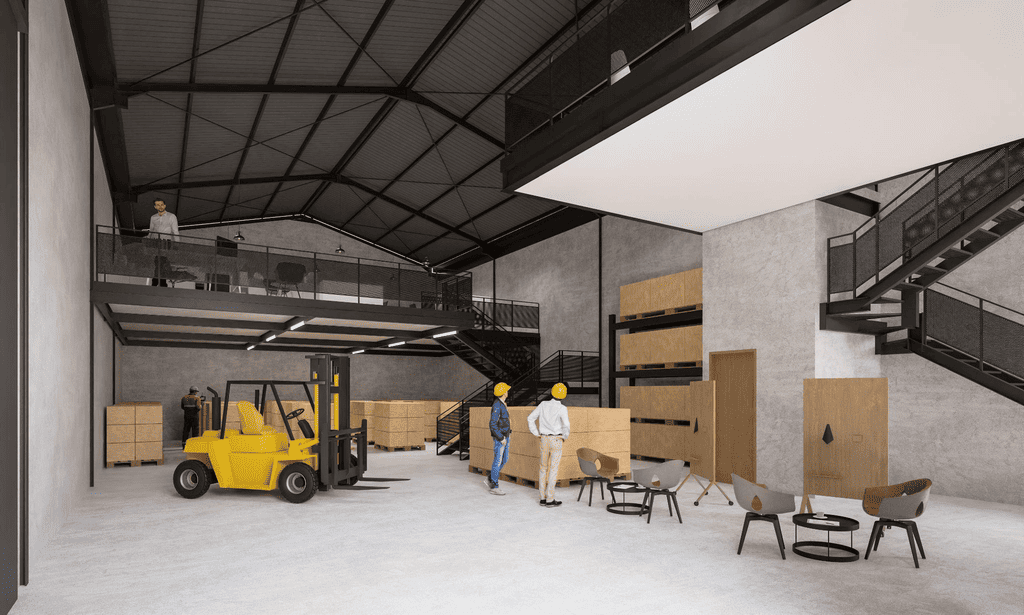
Instead of reading about chemical splashes, your team physically practices the response in a virtual replica of your actual warehouse. This Mission-Specific Training ensures your first responders aren’t just “certified”—they are genuinely ready to act in the exact halls they walk every day.
The Pelican Case: Readiness Without the Logistics
Training a massive, decentralized workforce is usually a logistical disaster. VGLANT kills this problem with the All-in-One Pelican Case. This portable powerhouse—containing a high-spec PC and built-in monitor—brings the training to the team. From remote mining concessions in Kalimantan to corporate offices in Jakarta, the “Gold Standard” of safety is now mobile.
With this system, you can:
Scale at Will: Train every shift without renting external facilities.
Enforce Standards: Every employee gets the exact same high-quality curriculum, every time.
Zero Risk: Practice high-stakes trauma care in a safe-to-fail environment.
Data Over Guesswork: The Performance Dashboard
How do you quantify composure? VGLANT replaces subjective observation with an Administrator Dashboard and forensic Tracked Data Records. Safety managers can audit:
Precision: Did the trainee apply pressure to the exact wound site?
Latency: How many seconds passed before they started compressions?
Logic: Did they follow the protocol sequence under stress?
These insights allow organizations to hunt down training gaps and provide targeted coaching. When professional help is minutes away, your team won’t be standing around waiting. They’ll have the skills and the nerves to save a life.
Every sector has its own “nightmare” scenarios. A construction site deals with fall trauma; a commercial kitchen deals with deep lacerations and steam burns. VGLANT’s Bespoke Services allow you to rip your specific SOPs out of the manual and turn them into custom VR theaters.
Instead of reading about chemical splashes, your team physically practices the response in a virtual replica of your actual warehouse. This Mission-Specific Training ensures your first responders aren’t just “certified”—they are genuinely ready to act in the exact halls they walk every day.
The Pelican Case: Readiness Without the Logistics
Training a massive, decentralized workforce is usually a logistical disaster. VGLANT kills this problem with the All-in-One Pelican Case. This portable powerhouse—containing a high-spec PC and built-in monitor—brings the training to the team. From remote mining concessions in Kalimantan to corporate offices in Jakarta, the “Gold Standard” of safety is now mobile.
With this system, you can:
Scale at Will: Train every shift without renting external facilities.
Enforce Standards: Every employee gets the exact same high-quality curriculum, every time.
Zero Risk: Practice high-stakes trauma care in a safe-to-fail environment.
Data Over Guesswork: The Performance Dashboard
How do you quantify composure? VGLANT replaces subjective observation with an Administrator Dashboard and forensic Tracked Data Records. Safety managers can audit:
Precision: Did the trainee apply pressure to the exact wound site?
Latency: How many seconds passed before they started compressions?
Logic: Did they follow the protocol sequence under stress?
These insights allow organizations to hunt down training gaps and provide targeted coaching. When professional help is minutes away, your team won’t be standing around waiting. They’ll have the skills and the nerves to save a life.