
Military readiness used to mean stockpiling ammunition and running endless field drills until muscle memory finally locked in. But modern conflict moves too fast for that. The threats are highly complex, defence budgets are heavily scrutinized, and the margin for error is basically zero.
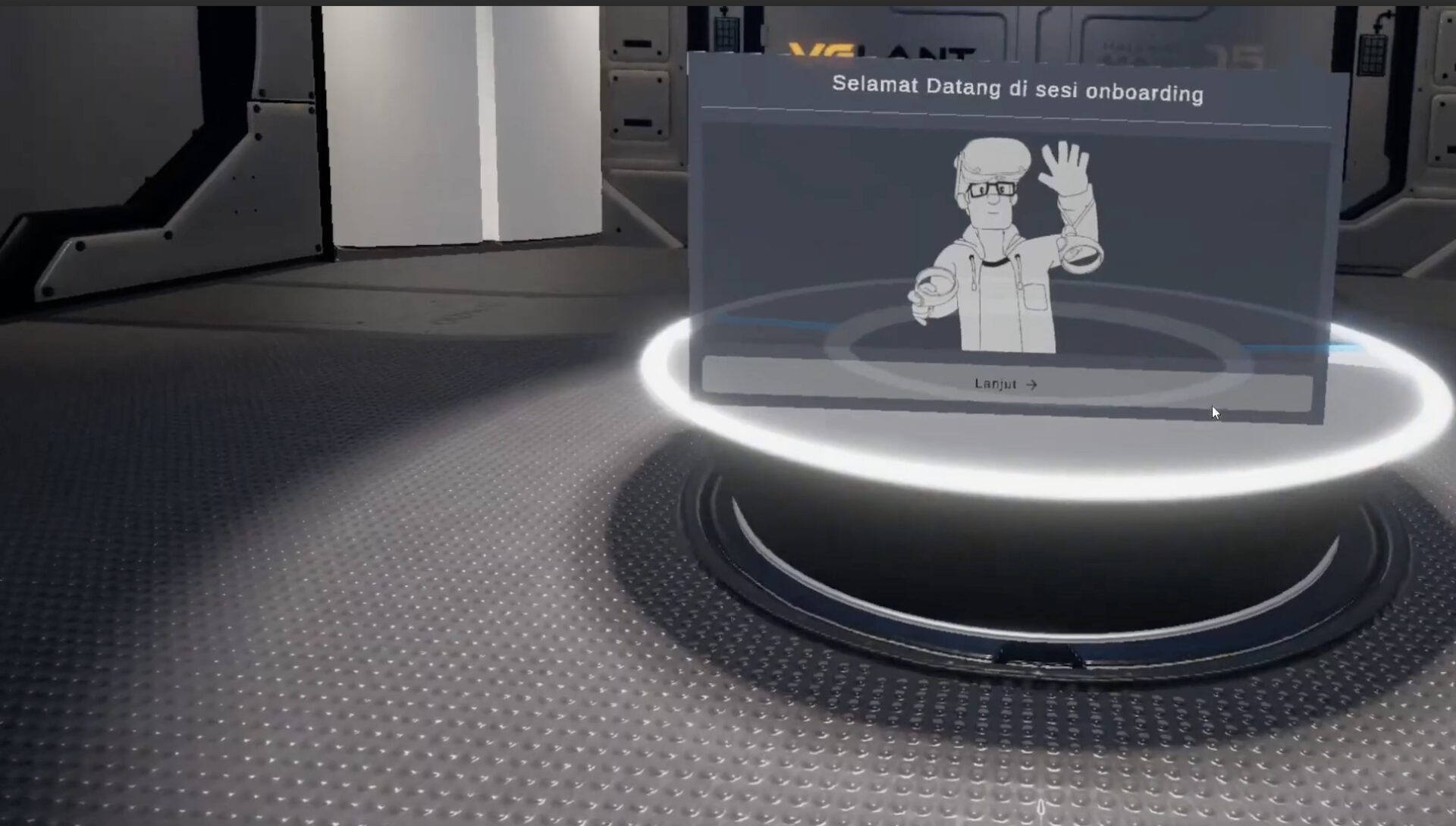
That is why tactical units are shifting their core training doctrine toward immersive virtual reality. Specifically, they are integrating KOMINA’s military VR combat simulation. Adopting this technology isn’t just about upgrading equipment; it fundamentally changes how operators prepare for the field. Here are the four concrete reasons why this VR framework is becoming standard issue.
1. Slashing Operational Costs by Up to 70%
Let’s look at the financials. Running a full-scale tactical drill in the physical world burns cash at a staggering rate. You pay for fuel, massive logistical movements, equipment wear, and every single live round fired.
KOMINA flips this model. By pushing early-stage training—like room clearing, system familiarization, and unit coordination—into a high-fidelity VR space, units can drop their ammunition and operational costs by roughly 60 to 70 percent. That isn’t a minor budget tweak; it’s a massive reallocation of funds. The money saved goes straight back into maintaining actual hardware and upgrading physical gear. When operators finally step onto a live firing range, they aren’t wasting expensive bullets to learn the basics. They have already locked down the fundamentals in VR.
2. Mastering Exact Terrain Before Deployment
Real conflict doesn’t happen on a flat, empty training range. Operators deal with dense jungles where GPS drops out, cramped urban alleys, and chaotic island chains.
This is where KOMINA’s VR terrain replication offers a massive tactical advantage. The technology builds 1:1 digital twins of actual operational zones directly inside the headset. We’re talking accurate elevation contours, building layouts, and vegetation density. Instructors can even throw in dynamic weather variables like monsoon rains, thick fog, or pitch-black night ops. A squad can run a mission in a virtual replica of their exact deployment zone dozens of times before they ever step foot on hostile ground. They learn the chokepoints, test different entry approaches, and build critical spatial familiarity.
3. Zero-Risk Exposure to Worst-Case Scenarios
There is a strict limit to how realistic a physical training drill can get before people actually get hurt. You simply cannot detonate an IED next to a patrol or stage a full-scale, chaotic ambush with live rounds just to test reaction times. The most dangerous situations are usually the hardest to practice safely.
KOMINA’s VR setup completely removes that ceiling. Instructors can throw absolute worst-case scenarios at trainees. Massive critical failures. Sudden, overwhelming ambushes. Operators experience real psychological pressure—genuine fight-or-flight stress—while staying physically safe. Military psychologists call this stress inoculation. Trainees fail in the virtual world, dissect what went wrong, and come back sharper, building mental resilience without the trauma or destroyed equipment.
4. Cold, Hard Data for After Action Reviews
Anyone who has sat through a traditional debrief knows how messy it can get. It usually involves a lot of guessing, arguing over lines of sight, and highly subjective opinions.
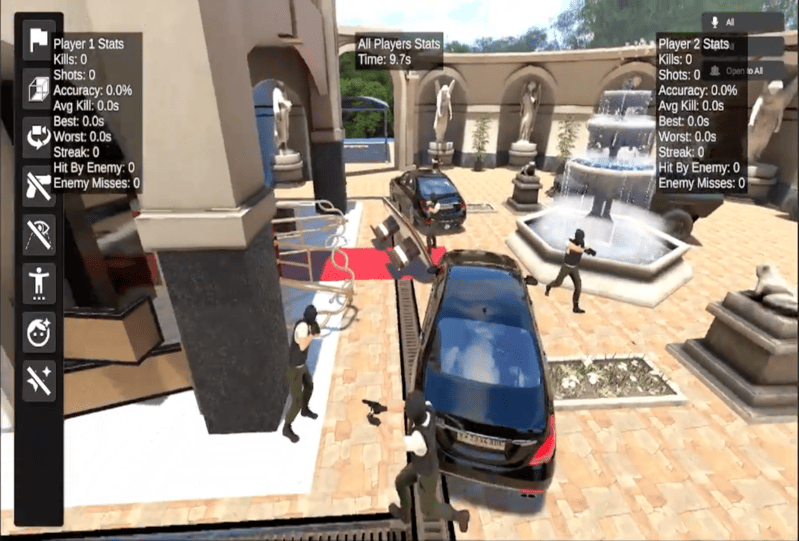
The KOMINA VR simulator replaces that guesswork with precision analytics. Every millisecond inside the headset is recorded. The system tracks exact ballistic trajectories and shot placement. It measures tactical spacing, logging exactly how well a unit maintained cover. It tracks decision-making speeds down to the millisecond when an ambush hits. Commanders get to replay the entire drill from any angle. No debates. Just raw, objective data showing exactly where the unit succeeded and where they need targeted, corrective training.
Adopting VR simulation is not about replacing boots-on-the-ground exercises. It is about making sure physical training actually counts, stretching defence budgets further, and exposing operators to the unthinkable without the unthinkable consequences. Modern combat readiness relies on perfect simulation.
Conclusion: Simulate First, Dominate Later
Choosing KOMINA military simulation training is not about replacing boots-on-the-ground exercises. It is about making sure that every hour of physical training counts double because the fundamentals were already locked in virtually. It is about stretching defence budgets further without sacrificing capability. And it is about giving soldiers the one thing traditional training struggles to deliver: exposure to the unthinkable, without the unthinkable consequences.
Modern combat readiness begins with perfect simulation.
Ready to Upgrade Your Defence Training?
Email: [email protected]
Phone/WhatsApp: +62 812 9696 7887
Website: www.komina.co
Adress: Jl. Cikunir Raya No. 8, Kota Bekasi, Jawa Barat 17422, Indonesia